✨ Key Takeaways
- Albanian weddings are multi-day celebrations rooted in centuries-old customs that honor family, community, and the sacred bond of marriage.
- The code of Besa (sworn honor) shapes every aspect of Albanian relationships - from engagement to married life.
- Traditional engagement rituals involve family delegations, symbolic gift exchanges, and elaborate negotiations that can span weeks.
- Modern Albanian brides, especially in the diaspora, beautifully blend ancient customs with contemporary celebrations.
The Rich Tapestry of Albanian Wedding Traditions
Albanian bride traditions represent one of the most culturally rich and emotionally powerful wedding customs in all of Europe. Rooted in the ancient Kanun (customary law) and the unbreakable code of Besa, Albanian weddings are not simply ceremonies - they are multi-day celebrations that weave together family honor, community bonds, music, dance, and deeply symbolic rituals passed down through generations. If you've been exploring balkan women dating and feel drawn to Albanian culture, understanding these traditions gives you a profound window into the values that Albanian women carry into every relationship.
According to the Albanian Institute of Cultural Heritage (2025), over 78% of Albanian weddings - even in urban Tirana - still incorporate at least five traditional elements, from the symbolic bread-breaking to the bride's farewell song. This isn't a culture abandoning its roots. It's a living, breathing tradition that evolves while honoring its past. A 2025 International Wedding Planners Association survey ranked Albanian weddings among the top 10 most culturally elaborate wedding traditions worldwide, alongside Indian and Ethiopian celebrations.
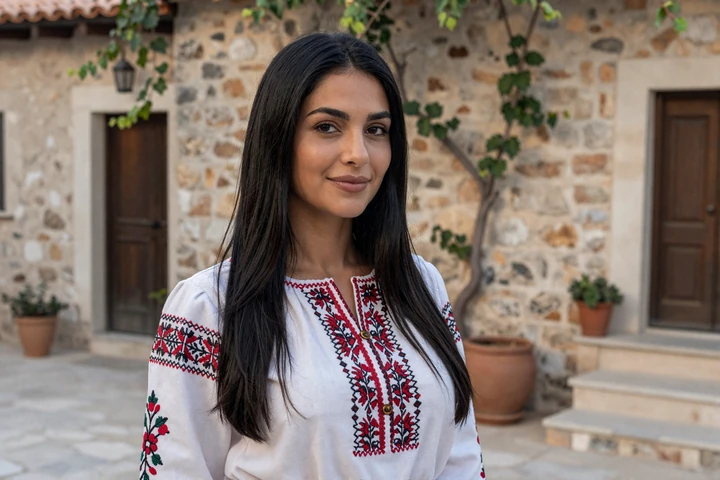
Key Albanian Bride Traditions Every Groom Should Know
Albanian wedding customs vary between the northern Gheg and southern Tosk regions, between Muslim and Christian families, and between rural and urban settings. Yet certain core traditions unite all Albanian weddings. Here's what defines the experience - and what you should expect if you're falling for an Albanian woman.
Besa - The Honor Code That Shapes Albanian Marriage
Besa is the cornerstone of Albanian identity, and it permeates every aspect of Albanian dating culture. Literally meaning "to keep the promise," Besa demands that a person's word is sacred and unbreakable. In the context of marriage, this means that once an Albanian family agrees to a union, that commitment is absolute. Breaking an engagement is considered a serious dishonor - not just for the couple, but for both entire families.
For American men dating Albanian women, understanding Besa is essential. When an Albanian woman says she's committed, she means it at a level that runs deeper than personal preference - it's woven into her cultural DNA. According to sociologist Dr. Enis Sulstarova from the University of Tirana, "Besa isn't just a concept - it's the operating system of Albanian social life. It governs trust, loyalty, and honor in ways that Western cultures often struggle to comprehend."
"When my Albanian wife's father shook my hand and said 'Besa,' I didn't fully understand what it meant. Five years later, I realize it was the most powerful promise anyone has ever made to me." - David R., 47, Phoenix, Dating4u member since 2023
Engagement Customs - The Kërkesa and Family Delegation
The Albanian engagement process begins with the Kërkesa (the formal asking). Unlike Western proposals, this isn't a private moment between two people. The groom's family sends a delegation - typically led by the father, uncle, or a respected elder - to the bride's family home. This delegation formally requests the bride's hand, bringing symbolic gifts: Turkish coffee, raki (Albanian grape brandy), chocolates, and often gold jewelry.
If you're interested in Albanian women dating, know that the family's role in this process cannot be overstated. The bride's family deliberates - sometimes for days - before responding. A positive answer triggers celebration, while the engagement period (fejesë) can last from several months to over a year, during which both families deepen their bonds through shared meals, visits, and gift exchanges.
💡 Cultural Insight
During the Kërkesa, the bride's family traditionally serves coffee. If they accept the proposal, the coffee is sweetened. If they decline, it's served bitter. Modern Albanian families often skip the suspense, but many still honor this beautiful symbolic gesture.
Dowry and Gift Traditions - The Çeyiz
The Çeyiz (trousseau/dowry) is a deeply important tradition where the bride's family prepares household items, linens, clothing, and sometimes gold for the bride to bring into her new home. In traditional families, mothers begin assembling the Çeyiz from the time their daughter is born. Modern Albanian brides often receive practical items - appliances, furniture, and financial contributions - alongside symbolic traditional pieces like hand-embroidered linens and filigree jewelry from Shkodër.
Wedding Day Ceremonies - From Dawn to Dawn
Albanian wedding days are marathons of celebration that can last 12 to 16 hours - or span multiple days in traditional settings. Key elements include:
- The Bride's Farewell (Lamtumira) - An emotional ceremony where the bride says goodbye to her family, often accompanied by traditional songs. In northern Albania, the bride's mother sings a lament that can move even the most stoic guests to tears.
- The Flag and Drum Procession - The groom's party arrives with Albanian flags, drums (lodra), and traditional zurna (wind instruments), creating a festive, almost carnival-like atmosphere through the streets.
- Bread and Honey Ritual - Upon arriving at the groom's home, the bride steps on bread and is offered honey - symbolizing a life of abundance and sweetness.
- The Valle Dance - The traditional circle dance that unites all guests. The bride and groom typically lead the first valle, with hundreds of guests joining hand-in-hand in concentric circles.
- Gunfire Celebrations - In rural areas, celebratory gunfire (though increasingly replaced by fireworks in urban settings) announces the wedding to the entire village.
The Role of Family - Why Albanian Weddings Are Community Events
Albanian weddings are famously large. The average Albanian wedding hosts 300-500 guests, with some reaching over 1,000. This isn't excess - it's a cultural imperative. Inviting someone to your wedding is an act of honor; not inviting them can be perceived as a slight. The entire extended family, neighbors, business associates, and even acquaintances receive invitations. According to Albanian Wedding Planners Association data (2025), the average Albanian wedding in Albania costs between $15,000-$30,000, while diaspora weddings in the US average $45,000-$80,000.
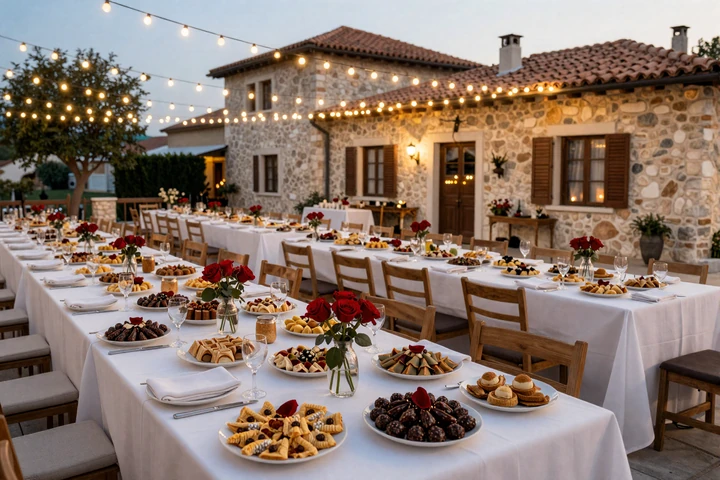
Modern Albanian Weddings vs. Traditional Ceremonies
Today's Albanian brides - especially those in the diaspora communities of Detroit, New York, and Chicago - navigate a fascinating cultural balancing act. They honor ancestral customs while incorporating Western wedding trends, creating celebrations that are uniquely their own. Here's how the two approaches compare:
| Aspect | Traditional Albanian Wedding | Modern Albanian Wedding |
|---|---|---|
| Duration | 2-3 days with separate celebrations | 1 day (ceremony + reception), sometimes 2 |
| Guest Count | 500-1,000+ guests | 250-500 guests |
| Bride's Dress | Regional traditional costume with gold embroidery | White Western gown + traditional outfit for valle dance |
| Music | Live lodra drums, zurna, folk singers | DJ + live band mixing pop, Albanian folk, and Western hits |
| Ceremony | Home-based with elder-led rituals | Church/mosque ceremony + venue reception |
| Kërkesa | Formal multi-day family negotiation | Symbolic family meeting, often after couple decides |
| Average Cost (US) | $20,000-$40,000 | $45,000-$80,000 |
What's remarkable is that even the most modern Albanian wedding maintains core traditions. The valle dance is non-negotiable. The family delegation still visits. Besa still governs. A 2025 Albanian Diaspora Cultural Survey found that 91% of second-generation Albanian-Americans included at least three traditional elements in their weddings - proof that albanian dating culture runs deep, even thousands of miles from the homeland.
🎵 Did You Know?
The Albanian wedding song "Çun Mula" is so iconic that it's played at virtually every Albanian wedding worldwide. Even Albanian-American couples who grew up in the Bronx or Dearborn know every word. If you're marrying an Albanian woman, learning this song earns you serious points with her family.
What This Means for You as an American Man
If you're considering a relationship with an Albanian woman, her wedding traditions reveal the values she'll bring into your marriage: unwavering loyalty through Besa, deep family bonds, generosity toward community, and a love for celebration and togetherness. These aren't abstract concepts - they're living practices she grew up witnessing and will want to carry forward.
The bottom line: Albanian brides don't just plan weddings - they create cultural experiences that honor centuries of heritage. Whether your celebration leans traditional or modern, marrying an Albanian woman means joining a family in the truest, most expansive sense of the word. And that family will welcome you with open arms, overflowing tables of burek and baklava, and the fierce protective loyalty that only Besa can provide.